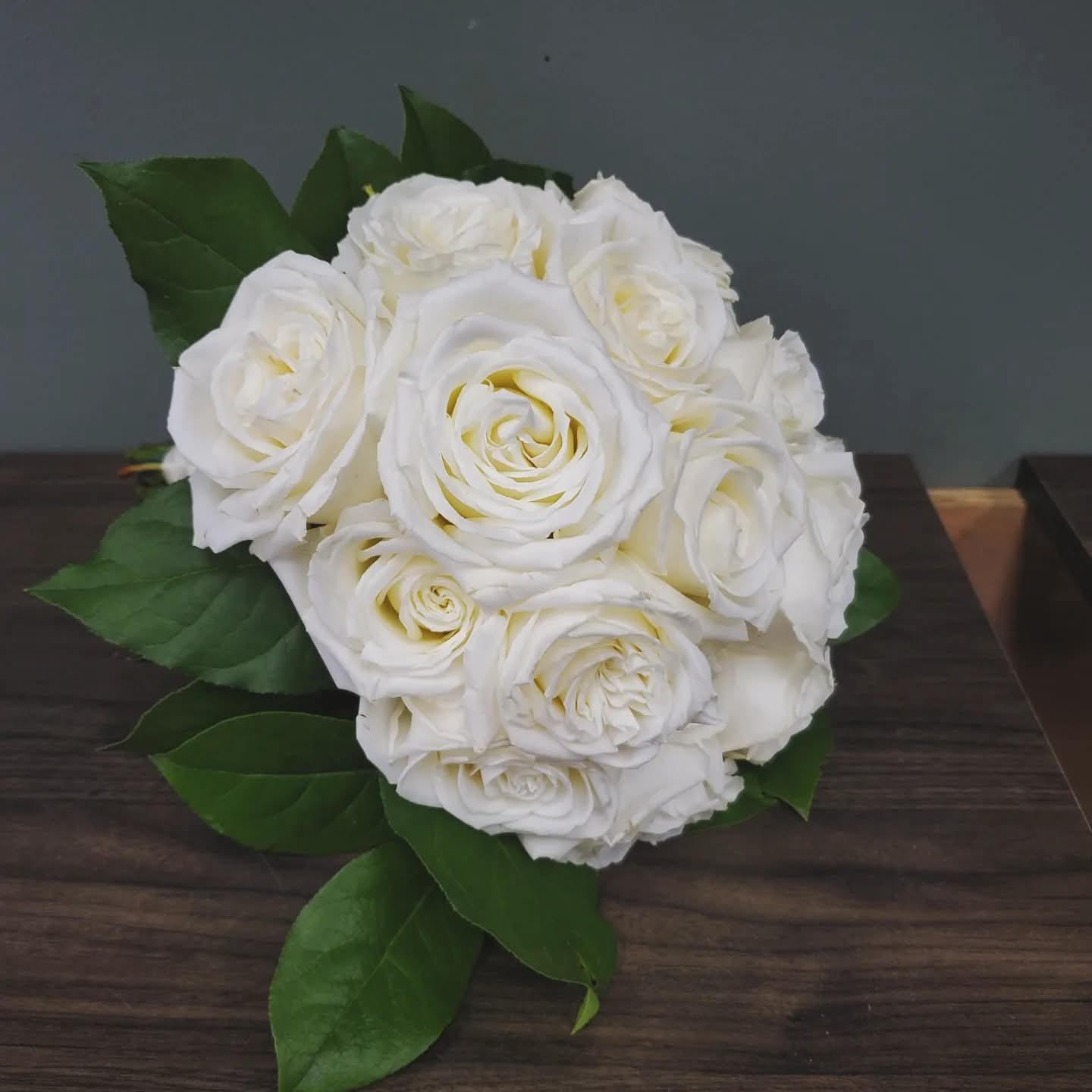
One of the first questions couples ask me is, "What flowers should we have?" My favorite answer starts with another question: when is your wedding? After more than 25 years designing wedding and event florals from our studio in Salem, Massachusetts, I've learned that the most beautiful arrangements almost always work with the season rather than against it.
Flowers that are in season look fresher, last longer through a long reception, and usually cost less than blooms flown in from the other side of the world. Here in New England our seasons are distinct, and each one has its own palette. Here's how I think about them.
Spring (March–May): soft, fresh and fragrant
Spring weddings in New England feel like a deep breath after a long winter, and the flowers match that mood. This is the season for delicate textures and pastel palettes.
- Tulips in every color, from classic white to blush and apricot
- Ranunculus, with their layers of paper-thin petals
- Peonies, which start arriving in late spring and are a bridal favorite
- Lilac and lily of the valley for fragrance
- Sweet peas and hyacinth for garden-style bouquets
Planning tip: peony season is short. If peonies are a must-have, a late May or June date gives you the best chance of seeing them at their fullest.
Summer (June–August): lush, colorful and abundant
Summer is peak wedding season, and it's also peak flower season. Gardens and local farms are overflowing, which means you have the widest choice of all.
- Garden roses, fuller and more fragrant than standard roses
- Hydrangeas, a coastal New England classic
- Dahlias, which begin in mid-summer
- Zinnias, cosmos and snapdragons for relaxed, wildflower-style designs
- Lisianthus as a hardy, rose-like alternative
Planning tip: summer heat is hard on flowers. For outdoor ceremonies, I lean toward sturdier blooms and plan setup times so arrangements aren't sitting in direct sun for hours before guests arrive.
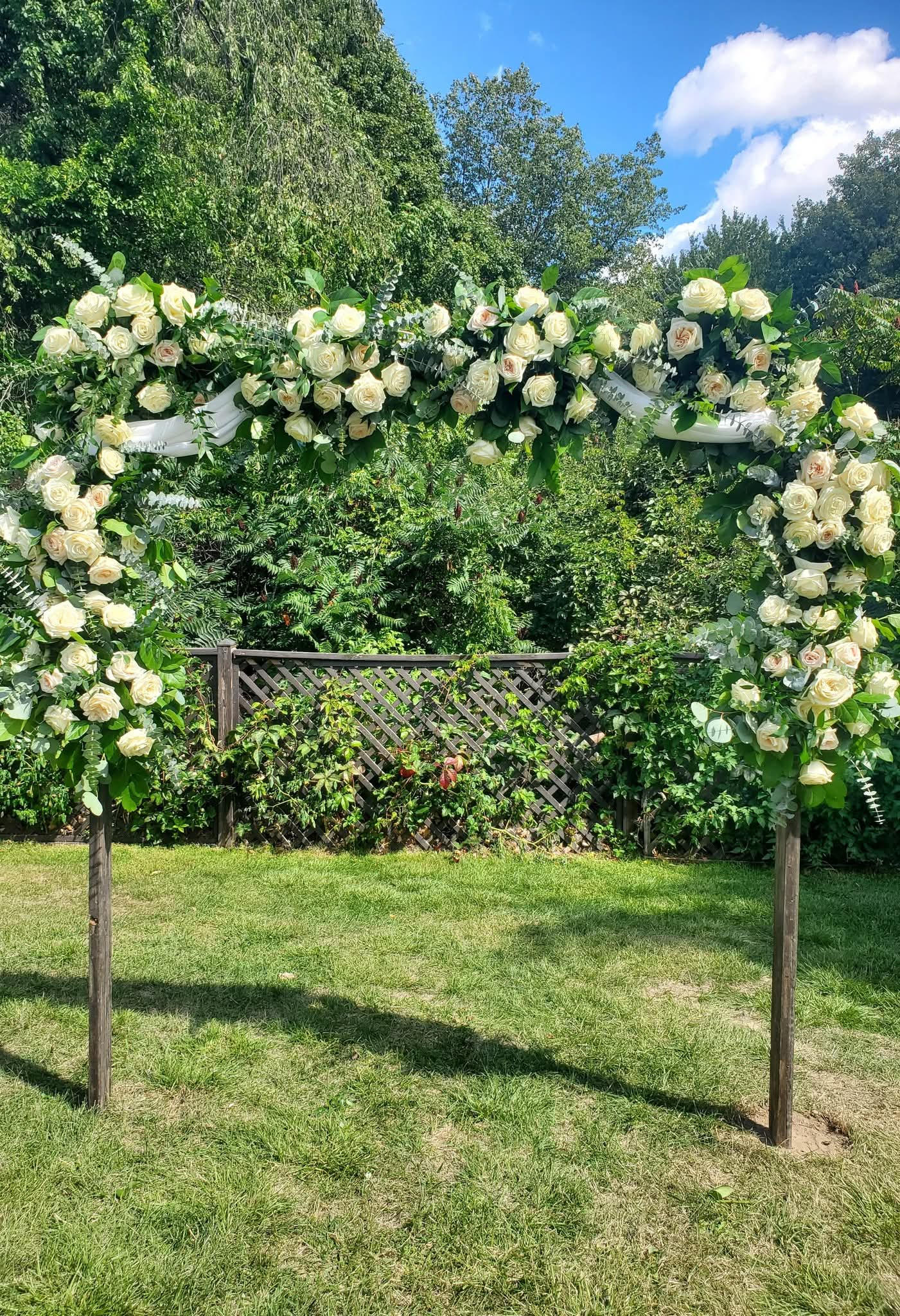
Fall (September–November): rich, warm and textured
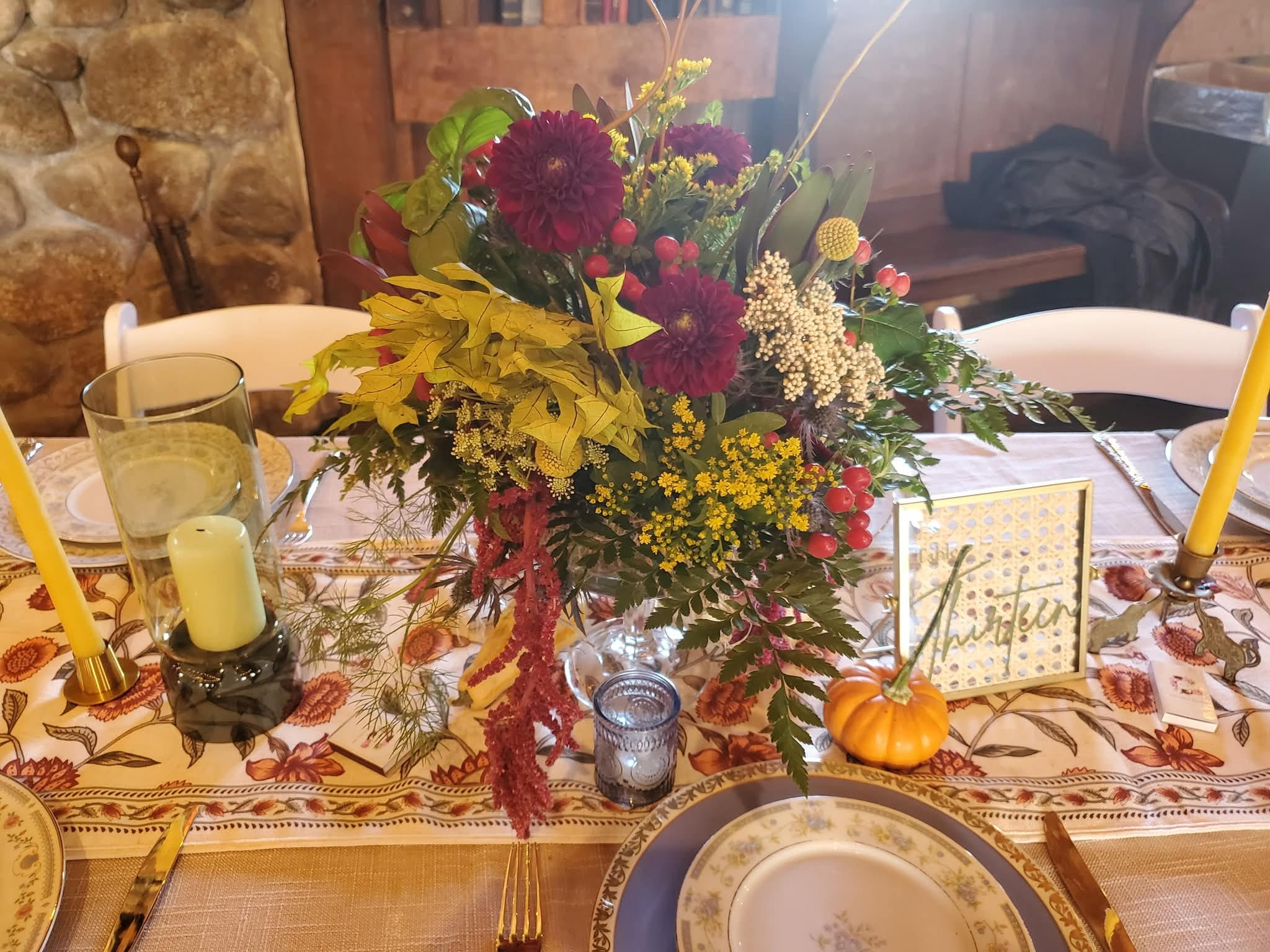
Fall in New England is breathtaking, and many couples choose it for exactly that reason. Autumn florals lean into deep, saturated color and interesting textures.
- Dahlias at their very best, in burgundy, copper, peach and blush
- Chrysanthemums in far more varieties than the ones you see on porches
- Celosia and amaranthus for texture and movement
- Garden roses in rust, terracotta and mauve tones
- Seasonal accents like berries, wheat, foliage and even small gourds for centerpieces
Planning tip: fall weekends book quickly across New England, for venues and florists alike. Reach out early, especially for October dates.
Winter (December–February): elegant, moody and evergreen
Winter weddings have a quiet magic. The palette shifts to crisp whites, deep reds and plenty of greenery, often with candlelight doing a lot of the work.
- Amaryllis for dramatic, statement blooms
- Anemones, with their striking dark centers
- Hellebores, sometimes called the winter rose
- Evergreens, cedar, eucalyptus and pine for texture and scent
- Berries and pinecones as natural accents
Planning tip: winter is the season where greenery really shines. A lush garland along a mantel or head table can make a big impact while leaving more of your budget for bouquets.
Flowers you can have (almost) any time of year
If your heart is set on a particular look, don't worry. Some flowers are reliably available year-round, including standard roses, spray roses, carnations, orchids, calla lilies and many kinds of greenery. They make a great foundation that we can then layer seasonal blooms on top of.
How to use this when you plan
- Start with a feeling, not a flower list. Romantic and airy? Bold and colorful? Moody and elegant? The season will suggest the flowers.
- Save photos you love, but know that a good florist can recreate a look with in-season substitutes.
- Think beyond the bouquet. Ceremony arches, aisle decor, centerpieces and cake flowers all benefit from seasonal choices.
- Book early for peak dates. June and fall weekends go fast in New England.
Every wedding I design is custom, and part of the fun is finding the blooms that make your season and your story feel like you. If you're planning a wedding anywhere in Massachusetts or New England, I'd love to hear about it.